
Getting people to land on your site (whether through paid, organic, or earned media) is a bit of a pain in the butt. It has also changed a lot over the last eight months from a Search Engine Optimization (SEO) perspective…this is largely because you are no longer contending with old-school SEO.
If you are a startup more SMBs you are actually fighting to get traditional Search Engine SEO right while increasingly having to adapt to the new wave of Generative Engine Optimization (GEO).
It’s difficult. But that doesn’t mean it’s not possible.
For SEO (and definitely for GEO), it’s not just about including the right keywords anymore, but answering the most valuable questions users are looking for while ensuring your site’s user experience is top-notch, making it easy for search engines, AIs, and visitors alike to navigate and engage with your content.
Yes, you can complement SEO/GEO efforts by leveraging various digital marketing strategies, like social media advertising, email marketing, and pay-per-click campaigns (increasingly Performance Max across multiple channels), to drive additional traffic to your website – as each method reaches people in different ways, offering numerous touchpoints for users to discover and visit your site. But you cannot afford to ignore the changing nature of being found on the web. So, while the total amount of traffic going out from conversational chats and traditional search queries is going down, the silver lining is that the traffic that does click is more likely to become sales and/or leads (it’s more qualified traffic).
This means if you get it right, you don’t have to have a massive budget to win traffic and convert leads.
What To Expect In This Article
- SEO Meets GEO Industry Trends
- Creating An SEO/GEO Optimized Website
- How To Write Content Specifically For GEO
- Technical SEO/GEO Website Health
- Measuring Results & Success For GEO & SEO
Here are my quick tips that are shaping the industry.
One of the major shifts is an increasing focus on conversational search. People are no longer typing in short keywords like ‘running shoes’ via search (or in a chat with a GPT). They’re looking for things like, ‘what running shoes might help me go the fastest and help my feet hurt the least when I’m running a half-marathon for the first time at the age of 47’. It’s a very complex question with multiple queries involved.
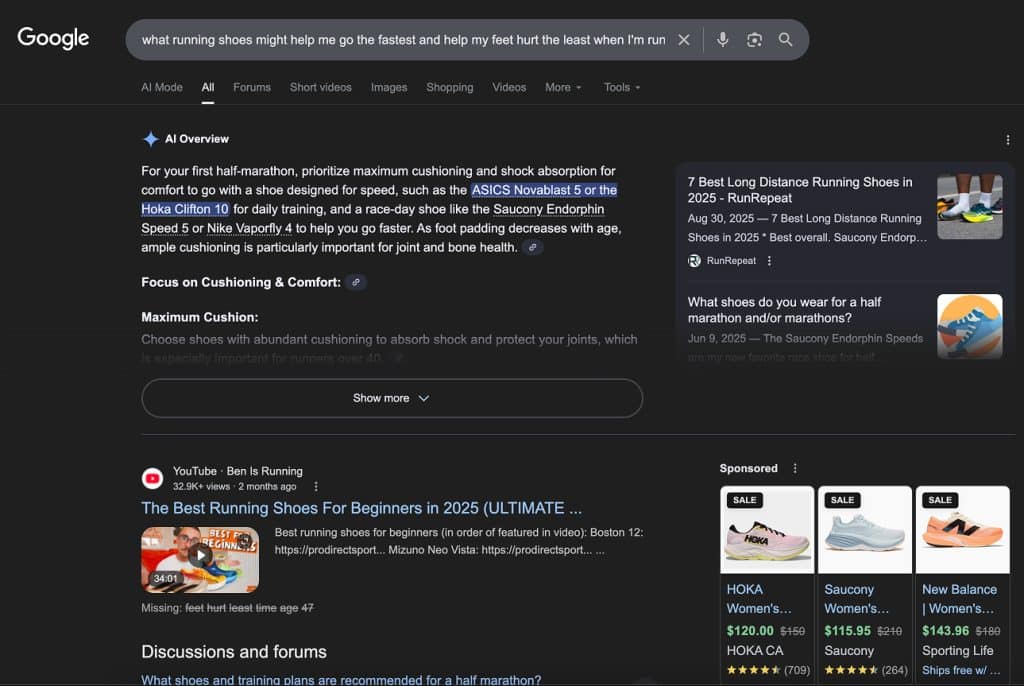
The second thing we are seeing is that search is becoming more multi-modal. It’s no longer just about text. It’s images, voice and videos. So if you haven’t already been doing it over the last 10 months, get your pictures, get your videos, get everything compatible with ALT text, be as accessible as possible, and make sure your data is structured so that AI’s can scrape and understand it. The last trend is that we’re starting to see that bots are becoming more sophisticated with shopping assistance. They are making recommendations based on past purchases or viewed history across your browser, interfaces and chats, and are increasingly able to compress the sales funnel. Instead of a potential customer returning to search over and over again, they can be educated, given social proof, and purchase all in one place.
Creating An SEO/GEO Optimized Website
To ensure your website attracts the audience it deserves, focus on producing content that search engines and AIs love. Remember, SEO and GEO is not a one-time task but an ongoing process that ensures your site remains visible and attractive to both new and returning visitors.
A. Crafting Compelling Titles and Meta Descriptions
Your titles and meta descriptions are the first points of contact with potential visitors in search results. Make sure they accurately reflect the content of your web pages while also enticing users to click through.
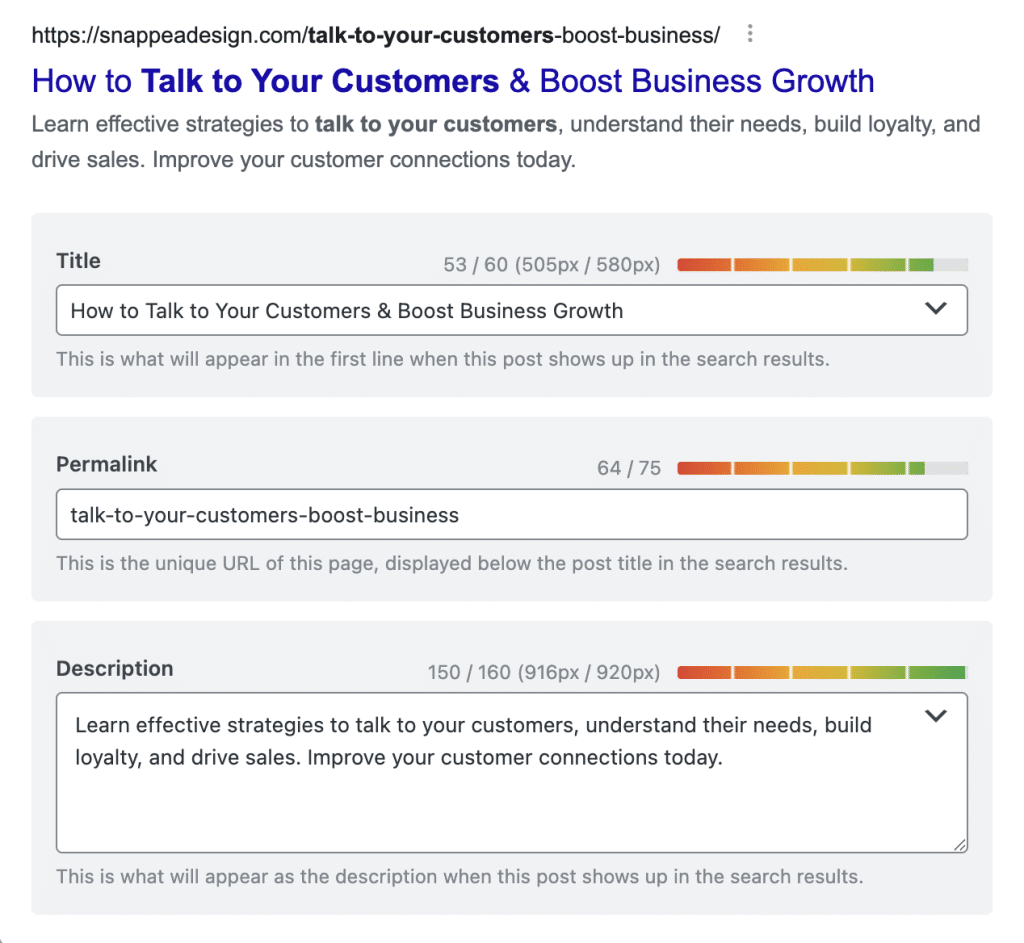
This means using relevant keyword phrases and questions that not only signal what your page is about to search engines and AIs, but also appeal to the searcher’s intent, as this will ultimately affect your ability to be cited and/or called on in search. Content should be created with keywords and meta tags that accurately represent the topics and themes of your site. Keywords signal to search engines the primary topics of your web pages, while meta tags, such as title tags and meta descriptions, provide concise information about the content of your page.
| Component | Purpose in SEO |
|---|---|
| Keywords | Targets what users are searching for |
| Title Tag | Defines the title of a webpage |
| Meta Description | Summarizes page content in search listings |
B. Create Use of Keywords & Content
When it comes to blog content, integrating keywords effectively is essential. Use primary keywords that focus on answering highly important questions (not just keyword searches based on volumes you have researched) naturally within the first 200 words of your article.
Think of it as an inverted triangle of information.
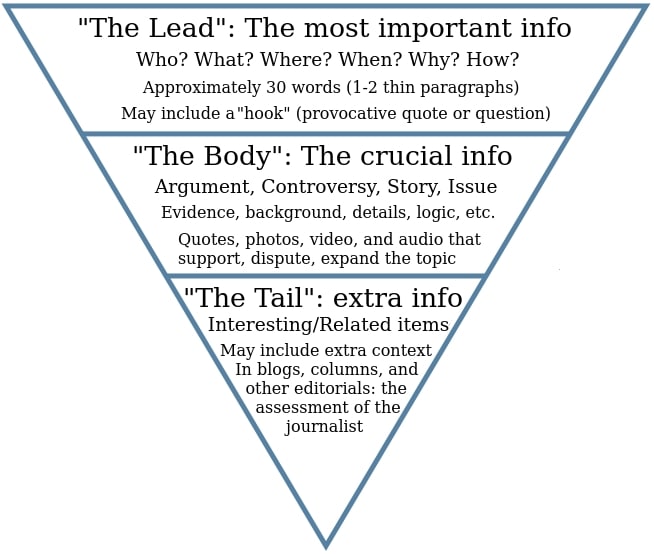
Start with the most relevant info first. Get to the point (answer the hard questions) and avoid keyword stuffing. Then aim for a natural flow that keeps the reader engaged (still using the framework of answering questions that a user might be searching for).
C. Incorporating Multimedia Elements
Including images and videos within your content can significantly enhance user engagement and dwell time, both positive signals to search engines and AIs.
Ensure all multimedia is SEO/GEO-optimized with descriptive, keyword-rich file names and alt attributes to maximize their impact and help you with that multi-modal search behaviour.
Write Content For GEO Specifically
When crafting content for long-term GEO (and SEO), the question you want to ask yourself for all content or blog pieces you put on a website is does it follow the principles of EEAT. Experience. Expertise. Authority. Trustworthiness.
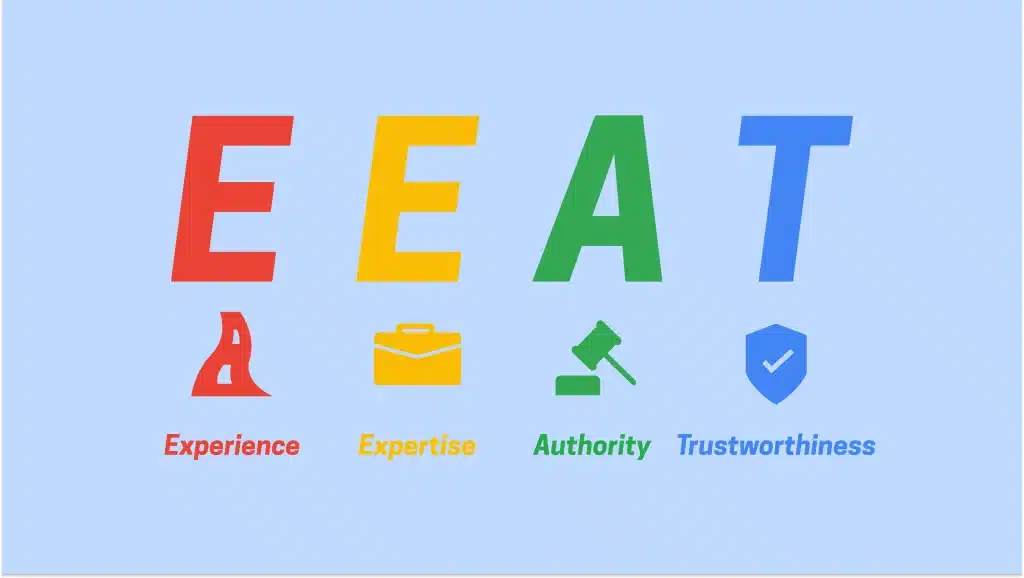
These principles are what will lead to long-term winning of citations (the real value for GEO), but if followed correctly, can also fit perfectly into the best practices for modern SEO practices as well.
i) Experience
Have you actually done the thing you’re writing about? Actually blogged or lived the life of the words you’re trying to put into the world and be a leading voice?
This is the bare minimum for pretty much any piece of content you want to put into the world. For example, a recipe blogger who has personally tried and tested the recipe.
ii) Expertise
Do you have the knowledge and qualifications to speak on this topic?
AKA, do you have the knowledge and the qualifications to talk about it? This is where professional credentials, degrees, or certifications come in.
A doctor writing about a medical condition makes sense – not about artisanal soap – unless they have powerful experience with the soap side hustle business (then maybe). So not only have you done it, but you are also qualified to have done it and to be talking about it like you’re an expert in this space.
This is why it’s super important to put an author’s name and a bio for the author somewhere on your site. It speaks to who you are, what you do, and why you are qualified.
iii) Authoritativeness
Is your content recognized as a leading voice in your industry?
This is achieved by gathering mentions and links from other reputable websites and publications. Sometimes this is backlinks (but not always and read below for things to avoid).
Think of a major news outlet, universities, and thought leaders linking to your research or blogs.
iv) Trustworthiness:
Is your website and brand safe and reliable?
This includes having a secure website (HTTPS), clear contact information, and positive reviews. It’s the foundation of all the other E-E-A-T factors.
To effectively attract visitors to your website, it’s crucial to have a solid grasp of how search engines like Google and Bing operate. This includes understanding SEO practices that influence your site’s visibility.
Technical SEO/GEO and Website Health
To enhance your website’s visibility and health, it’s crucial to focus on technical SEO/GEO, which ensures that search engines can crawl and index your site effectively. This involves a meticulous audit and conscious improvements in site speed and user experience.
1. How Does SEO & GEO Work Behind The Scenes?
Search engines utilize complex algorithms to index and rank websites. The algorithms analyze factors such as site structure, content relevance to keywords, and user engagement (this is way more important than most people realize). It’s important for your website to be easily crawlable so that search engines can effortlessly index your content both from an SEO and GEO, making it available for user searches (directly by users, but also by AI).
2. Conducting a Technical SEO/GEO Audit
Begin your audit with the help of SEO/GEO tools like Google Search Console, which provides a direct insight into how Google views your website. Here, you can check for crawl errors, inspect your site’s URLs, and review indexation. Make sure to assess your website’s structure, including XML sitemaps and robots.txt files, to ensure search engines can navigate your site efficiently. Use tools like WordPress plugins, if your site is on WordPress, to streamline some of these processes.
You can learn more about how to do this with some of our SnapPea resources.
3. Search Engine & AI Ranking Factors
Search engine ranking is influenced by a combination of factors, including site speed, mobile-friendliness, quality of content, and backlinks. Both Google and Bing prioritize high-quality, valuable content that satisfies the search intent. Ensuring your SEO efforts align with these factors will increase the probability of achieving higher rankings.
- Site Speed: Websites that load quickly are favoured by search engines.
- Mobile-Friendliness: As a significant portion of searches are done on mobile devices, responsive design is essential.
- Quality Content: Authoritative and comprehensive content ranks better.
- Backlinks: Inbound links from reputable sites can improve your site’s trustworthiness.
- Structured Data (Schema Markup): Read below
- Information Architecture & Content Structure: Read below.
Structured Data (Schema Markup)
AI models are trained on vast amounts of data, and structured data provides a clear, machine-readable “map” of your content. It removes ambiguity and helps the AI quickly identify and extract key information
Go beyond basic schema. Use it to define the relationships between entities on your site (e.g., a person is the author of a specific article, or a product is part of a specific collection). This helps the AI build a comprehensive understanding of your brand’s knowledge graph.
Information Architecture & Content Structure
Use headings correctly to create a clear outline of your page. An H1 should be the main title, with H2’s for main sections and H3’s for subsections. This helps the AI understand the topic and subtopic
On top of that, be sure to place the most direct, concise answer to a user’s question at the very beginning of the page or a specific section. This is a tactic similar to optimizing for featured snippets, but it’s even more crucial for AI overviews.
Why does “listicle” content often perform well in AI answers? AI models find it much easier to parse information presented in bullet points, numbered lists, and tables than in long, dense paragraphs.
4. Backlinks
Backlinks, often referred to as “inbound links” or “external links,” are links from other websites that point to your site.
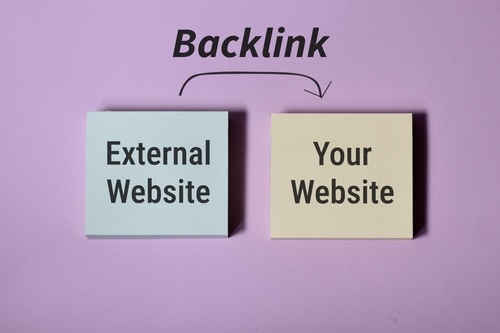
There are a lot of people selling backlinks. Sometimes they work, what really matters is to get back to the idea of Authority for GEO and collaborate with authors of high-quality content/blogs. Those are the people you really want to be referencing your site (if major news outlets seem a little out of the realm of possibility).
Always aim to build natural backlinks that make sense for your content and provide value to your audience.
- Search engines like Google view backlinks as a vote of confidence. The more high-quality backlinks you have, the more reputable your site appears, which can significantly boost your rankings.
- Backlinks from popular and authoritative sites can lead their visitors to your site, improving your site’s visibility and traffic.
- When your website receives backlinks from reputable sources, it enhances your authority in your niche, which can attract additional links and visitors.
To effectively use backlinks to get people to find your site, consider these strategies:
Create Compelling Content – Developing shareable, informative, and engaging content motivates others to link back to your site.
Guest Blogging – Publishing articles on other websites can allow you to place backlinks to your own site within those articles.
Make Use of Directories – Listing your site in relevant directories can provide easy backlinks.
Analyze Competitors – By looking at where your competitors are getting their backlinks, you may discover opportunities for your own site.
Remember, the quality of the backlinks is more important than the quantity. A few links from well-respected websites might be worth more than numerous links from lesser-known sites.
Measuring SEO Success and Analytics
When you undertake the task of Search Engine Optimization (SEO), measuring your website’s performance is fundamental. Google Analytics is a crucial tool that allows you to track a wide array of metrics. Monitoring these metrics can give you insights into your website’s SEO health and the behaviour of your visitors.
First, set up Google Analytics for your site to track key performance indicators (KPIs). Here are some primary metrics you should focus on:
Click-through rate (CTR) – This reveals the percentage of users who click on your website’s link after viewing it in search results. A higher CTR indicates that your titles and meta descriptions are appealing and relevant to your target audience.
Bounce rate – Observe the percentage of visitors who leave your website after viewing only one page. A lower bounce rate suggests that your content is engaging and encourages users to explore more.
Traffic sources – Identify where your visitors are coming from: organic search, direct links, referrals or social media. This helps you understand which channels are most effective in driving traffic to your site.
Conversions – Track the actions you desire from your visitors, whether it’s signing up for a newsletter, making a purchase, or any other key objective of your site.
Keyword research – Use the Analytics’ search queries report to find out which keywords users are typing into search engines to find your site. Optimizing for the right keywords can improve your visibility and attract more targeted traffic.
Measuring GEO Success and Analytics
For GEO, you are using the initial same metrics as SEO for the baseline, but then you are layering on top the following:
AI Answer Inclusion Rate – This is the most fundamental metric. How often does your brand or content appear in an AI-generated answer or summary for a relevant query? It’s the new “impression” and is a direct measure of your visibility in this new search landscape.
AI Citations & Attribution – When an AI answer is generated, does it explicitly link to or mention your website as its source? These are the new backlinks and are crucial for building trust and still driving some referral traffic.
Branded Search Volume – If an AI assistant consistently mentions your brand in answers, you should see a corresponding increase in users searching for your brand name directly. This indicates that your GEO efforts are building brand awareness and trust, leading users to seek you out.
Conversational Engagement – This is a more advanced and harder-to-measure metric. It tracks whether the user’s subsequent questions or actions are related to your brand or product after seeing the AI’s answer. It’s a sign that your content is not just being cited but is also persuasive and influential.
AI-Sourced Traffic & Conversions – While GEO is a “zero-click” strategy, some users will still click the source link. By using tools that can track referral traffic from AI platforms (like ChatGPT, Perplexity, or Google’s AI Overviews), you can see if this new channel is driving qualified leads and conversions.
Why SnapPea
At SnapPea, the approach to increasing a website’s findability is holistic. By leveraging iterative testing and focusing on return on investment (ROI), the goal isn’t just to improve rankings but also to drive sales and conversions – ultimately ensuring that every aspect of your digital marketing strategy is working toward your business goals.
For success in SEO & GEO, attention must be paid to:
- User and keyword research/optimization
- High-quality content creation
- On-page techniques and data markups
- Mobile optimization and site speed
For SEM:
- Effective pay-per-click (PPC) campaigns
- Targeted ad copy
- Strategic bidding and ad placement
For CRO:
- User experience (UX) audit and improvements
- Clear and compelling calls to action (CTAs)
- A/B testing of website elements
Each of these practices is critical in ensuring your website stands out in a crowded market. By optimizing each touchpoint that a potential customer encounters, from clicking on an ad to navigating your website, SnapPea ensures that your site not only attracts visitors but also engages and converts them.Learn more about how to fine-tune your marketing efforts for better results with Digital Marketing strategies from experts. Your site’s potential to attract and convert users can significantly increase with the right effort and expert guidance.